
New Canada Tariffs Put Supply-Chain Work Under Pressure
A 50% import tax changes more than prices; it changes the daily decisions made by people who buy, ship, stock, and sell goods.
Print it
This packet is English only.
The student packet has no answers in it. The teacher copy is the same pages plus a note on each question and the answer keys.
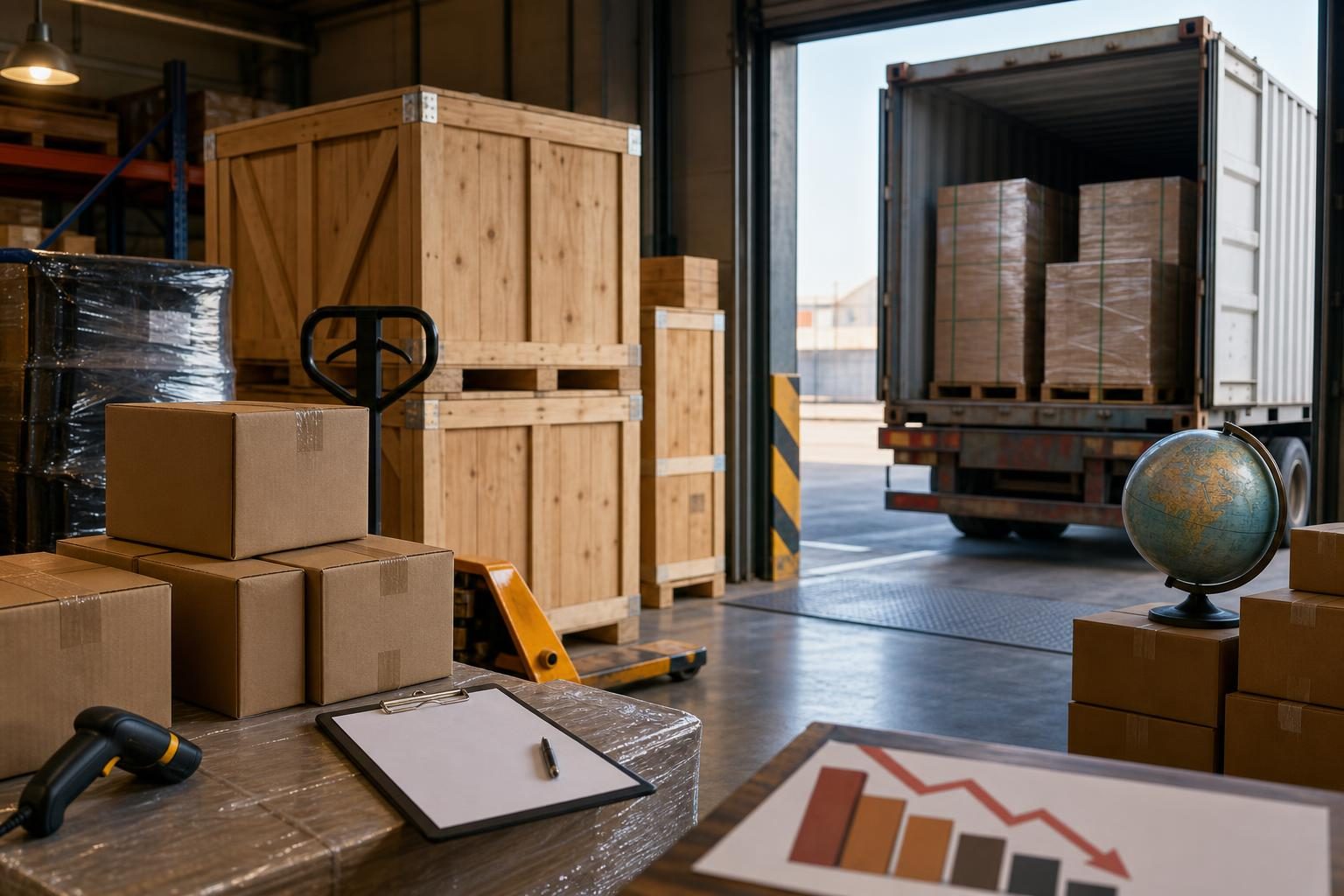
A new 50% U.S. tariff on many Canadian imports went into effect Saturday after trade negotiations between the United States and Canada fell apart, according to Associated Press reporting published by PBS NewsHour. A tariff is a tax on imported goods, paid by the importer, which is the company or person bringing the product into the country. The measure is expected to affect about 5% of Canada’s yearly exports to the United States, or about $20 billion in goods.
That matters in workplaces because tariffs do not stay on a government spreadsheet. They show up in purchase orders, job estimates, supplier contracts, inventory decisions, and customer prices. The goods named in the report range from hockey sticks and wine to cement, honey, seeds, agricultural products, clothing, furniture, cameras, fabric, jewelry, makeup, and perfumes. Canada’s prime minister, Mark Carney, said Canada would answer with “dollar for dollar” retaliatory measures starting Sept. 8, aimed at U.S. goods including steel, dairy, appliances, agricultural equipment, pulp and paper, and electronics. Retaliatory measures are actions one country takes in response to another country’s trade restrictions.
For CTE fields, the important part is the chain of work between the border and the final customer. In a construction supply company, a buyer may have to find out whether cement coming from Canada is affected and whether a different supplier can meet the schedule. In an agricultural equipment business, parts and finished machines may become more expensive if Canada follows through with tariffs on that category. In retail, a manager may need to decide whether to raise prices, accept a smaller profit margin, or change what products are stocked. In logistics, the work includes making sure documents match the product, the supplier, and the country of origin, which means the country where the item was made or substantially produced.
This is also where trade vocabulary becomes real job vocabulary. A procurement worker handles purchasing for a business and compares suppliers on price, delivery time, quality, and risk. A customs broker is a licensed specialist who helps importers follow border rules and pay the correct duties, which are taxes or fees owed on imported goods. An inventory planner decides how much product to keep on hand so the business does not run out or tie up too much cash in stock. A cost estimator calculates what a job or product will cost before a customer signs off. When a tariff suddenly changes, all of those people may have to redo their work.
The AP report says some goods previously protected under the U.S.-Mexico-Canada Agreement, or USMCA, are now included. The USMCA is the trade pact that sets many rules for commerce among the United States, Mexico, and Canada. That detail matters because many companies built their supply chains assuming North American trade would follow those rules. A supply chain is the full path a product takes from raw materials to manufacturing, shipping, warehousing, and sale. If the rules change, businesses may need to reprice products, renegotiate contracts, or look for other sources.
The legal tool used here is also unusual. The president used Section 338 of the Tariff Act of 1930, a Great Depression-era law that allows tariffs of up to 50% on imports from countries accused of discriminating against U.S. businesses. The report says this section has not been used before specifically to raise tariffs, and no investigation is required under it. Because there is no precedent, meaning no previous example to guide courts or companies, the tariffs may face legal challenges.
For people trying to get hired into supply-chain, manufacturing, warehouse, construction, agriculture, or business operations jobs, this kind of story shows why employers value more than hands-on skill alone. A worker who can read an invoice, understand lead time, update a spreadsheet accurately, communicate with vendors, and ask whether a price change affects a job quote is more useful when conditions shift. The wrench, forklift, welder, or point-of-sale system still matters. But so does knowing how a decision made at the border can change the work order on Monday morning.
Written from reporting by PBS NewsHour, “What to know about Trump's 50% tariffs on Canadian goods that just went into effect”.
Discussion questions
- If a business you worked for imported one of the affected products, would you recommend raising prices immediately, waiting to see if the tariffs last, or changing suppliers? Defend your choice by weighing cost, customer trust, and supply reliability.
- Tariffs can be used to pressure another country, but they can also raise costs for businesses and customers at home. In what situations, if any, is that trade-off worth accepting?