
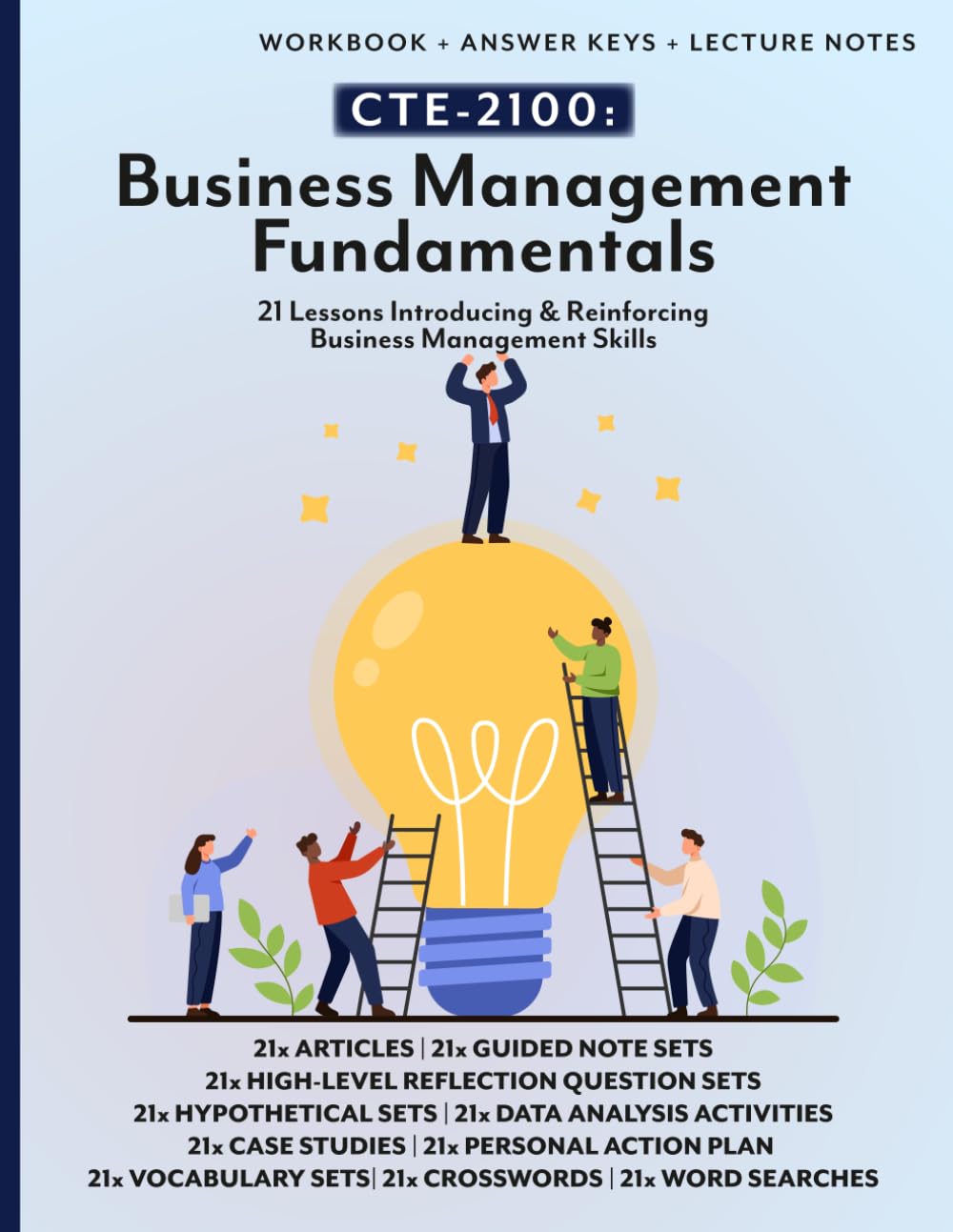
CTE-2100
CTE-2100: Business Management Fundamentals
A complete, structured business management curriculum that moves students from concepts to real-world analysis and decision-making.
★★★★☆ 4.0 · 2 reviews- 427 pages
- 7 units
- 14 pages to preview
- Published by 3andB
Instant download from TPT · Paperback on Amazon
Free — no sign-up
See inside before you buy
Everything below opens in a new tab and costs nothing.
What you get
- Twenty-one structured lessons span leadership, strategy, human resources, operations, finance, ethics, and professional development.
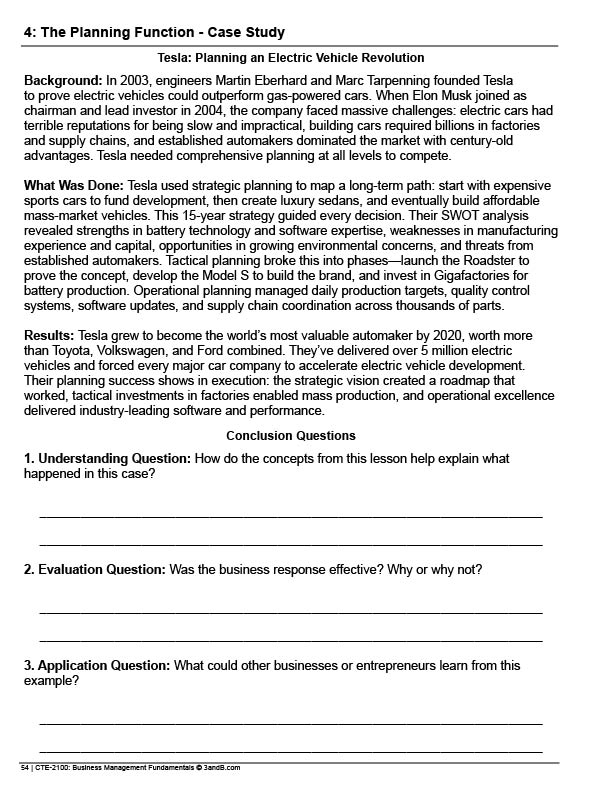
- Real-company case studies and hypothetical scenarios help students apply management concepts to business situations.
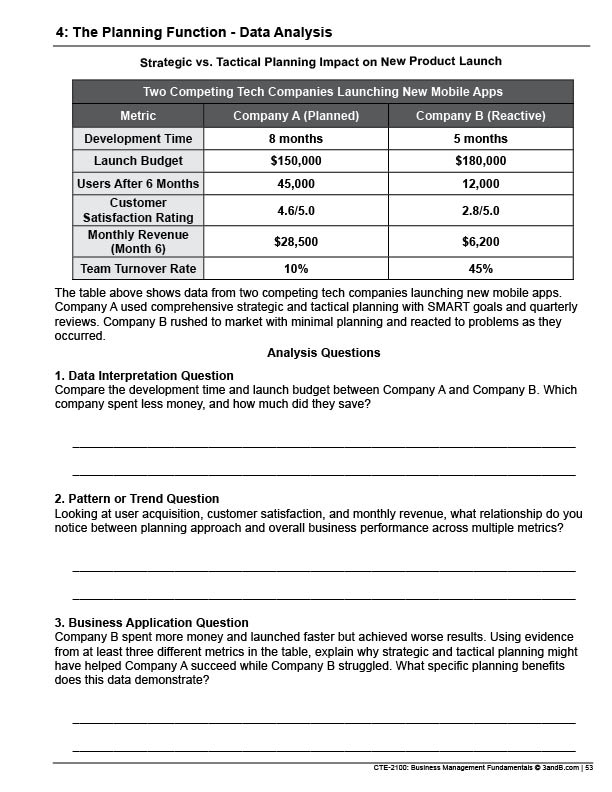
- Data analysis activities develop business decision-making, problem-solving, and informed judgment.
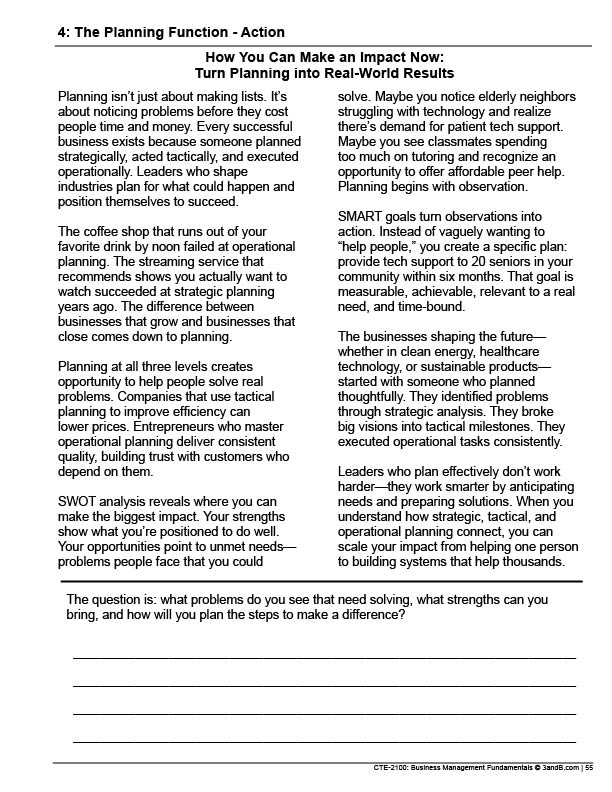
- Personal action plans connect business management learning with careers and professional development.
- Guided notes, vocabulary, lecture notes, and puzzles provide structured learning and reinforcement.
- Full answer keys and ready-to-use lesson structure support minimal-prep instruction.
Designed for high school CTE business, marketing, and entrepreneurship courses, introductory business and management classes, and career readiness or workforce development programs. It supports full courses, units, or supplemental instruction.
About this workbook
CTE-2100: Business Management Fundamentals is a complete, standards-aligned curriculum for high school CTE business, marketing, and entrepreneurship courses, introductory business and management classes, and career readiness or workforce development programs. Its 21 structured lessons cover leadership, strategic planning, organizational design, human resources, team management, operations, quality, financial management, ethics, and professional development.
Materials include articles with guided notes, reflection questions, hypothetical scenarios, data analysis activities, real-company case studies, personal action plans, vocabulary, lecture notes, crosswords, word searches, and full answer keys. The curriculum aligns with NBEA Business Management Standards, the CCTC Business Management & Administration Pathway, state frameworks for California, Texas, Utah, Iowa, and Virginia, and FBLA Management Decision Making and Human Resource Management events.
Suitable for full courses, units, or supplemental instruction, it helps students analyze situations, apply concepts, solve problems, and make informed business decisions.
The same shape, every time
In every lesson
A teacher can hand out any lesson in this book and know exactly what a student is getting.
- 1Articles with guided notes
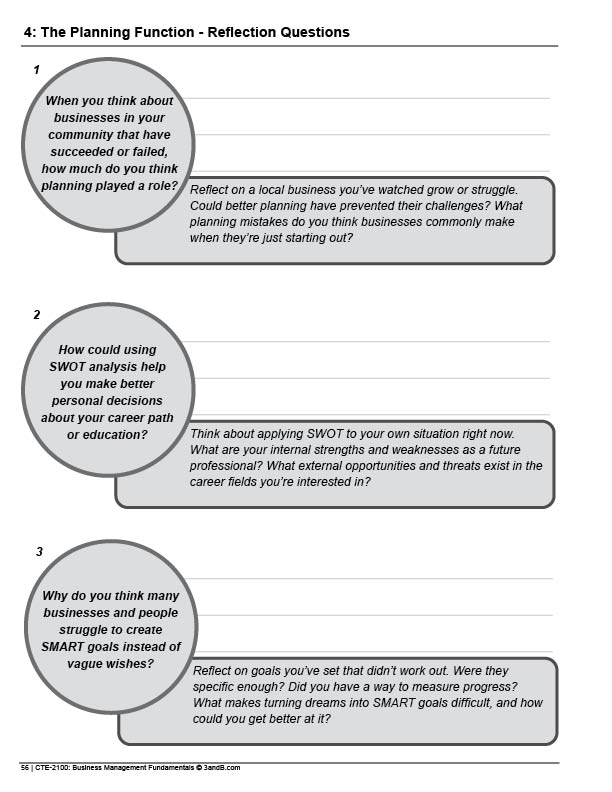
- 2Reflection questions
- 3Hypothetical scenarios
- 4Data analysis activities
- 5Real-company case studies
- 6Personal action plans
- 7Vocabulary and lecture notes
- 8Crosswords and word searches
What's inside
7 units, start to finish.
- WORKBOOK TITLE: CTE-2100: Business Management Fundamentals
- Chapter 1: The Nature of Management
- Chapter 2: Evolution of Management Thought
- Chapter 3: Leadership Styles & Effectiveness
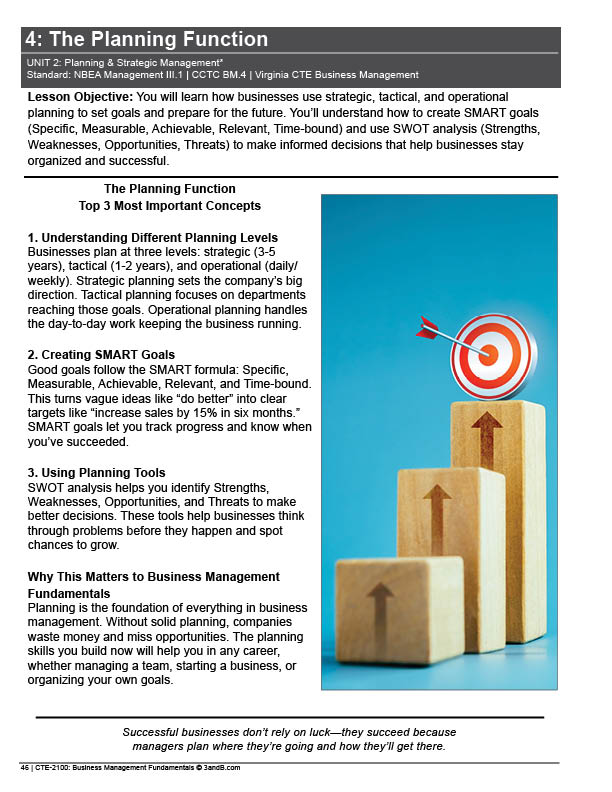
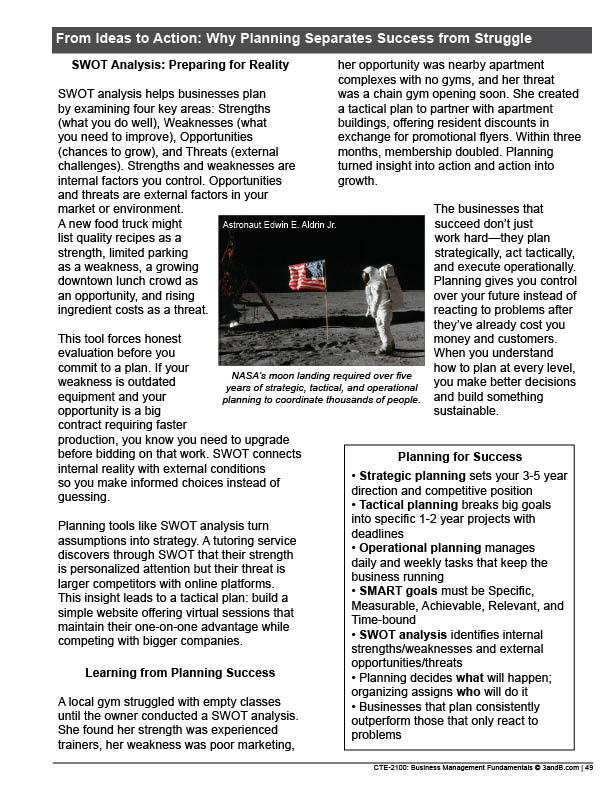
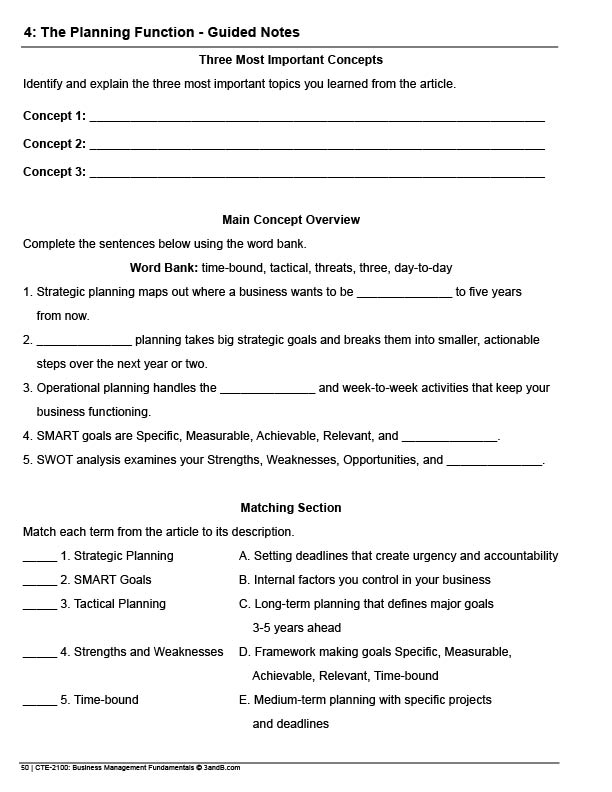
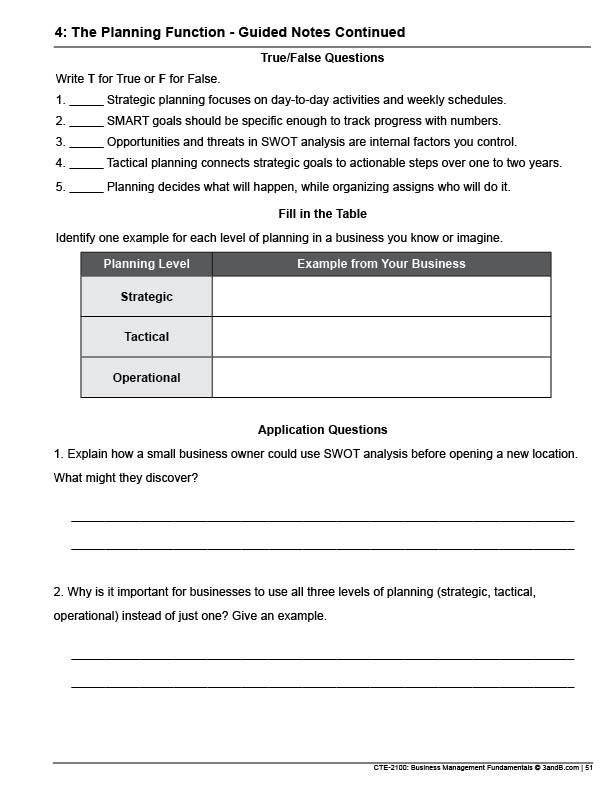
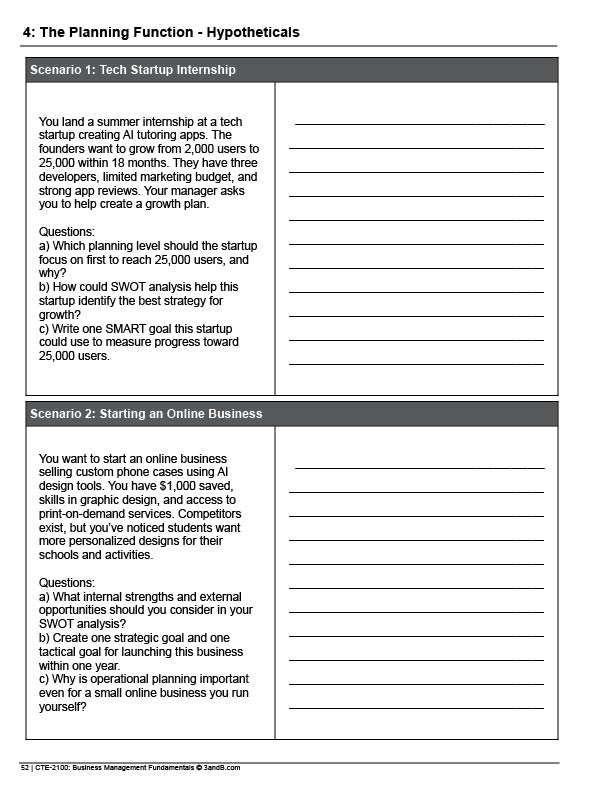
- Chapter 4: The Planning Function
- Chapter 5: Strategic Management & Competitive Advantage
- Chapter 6: Decision-Making & Problem-Solving
- Chapter 7: Organizational Structure & Design
- Chapter 8: Organizational Culture & Change
- Chapter 9: Business Communication & Information Systems
- Chapter 10: Human Resource Planning & Job Design
- Chapter 11: Recruitment, Selection & Onboarding
- Chapter 12: Training, Development & Performance Management
- Chapter 13: Employee Motivation Theories
- Chapter 14: Teamwork & Collaboration
- Chapter 15: Conflict Management & Negotiation
- Chapter 16: Operations Management Fundamentals
- Chapter 17: Quality Management & Continuous Improvement
- Chapter 18: Supply Chain & Inventory Management
- Chapter 19: Financial Management for Managers
- Chapter 20: Legal & Ethical Management Practices
- Chapter 21: Management Careers & Professional Development
From teachers who bought it
What teachers say
Solid scaffolding, thin theory, a CTE staple for teachers short on prep time.
Career and Technical Education publishing operates largely outside the critical attention serious education reviewers give to college-level business texts, which is how workbooks like this one move quietly into high school classrooms across California, Texas, and Idaho without anyone asking hard questions about their intellectual architecture. CTE-2100: Business Management Fundamentals, published in April 2026 by Pocatello-based 3andB Inc., offers twenty-one chapters covering everything from F's four management functions through P's competitive strategies and M's ten managerial roles to financial statement literacy and OSHA compliance. That breadth, across 427 pages with full answer keys, lecture notes, crosswords, and case studies, is the book's genuine selling point. Its depth is another matter entirely. Co-authors LE and JH describe themselves as educators with over twenty years of classroom experience between them. LE's published bio lists a Bachelor of Science in Business Administration, a Master of Education in Curriculum and Instruction, and a Juris Doctor. His New Jersey bar membership is retired. JH's credentials beyond the generic "20+ years" claim are not separately documented on the 3andB site. The workbook is aligned to the NBEA Management domain and the CCTC Business Management and Administration career pathway, and it targets FBLA competitive event preparation for Management Decision Making and Human Resource Management. These are verifiable, credible frameworks, and the alignment appears genuine rather than decorative. Each chapter follows an identical chassis: an article explaining the chapter's core concepts, guided notes with matching and fill-in-the-blank exercises, reflection questions, hypothetical scenarios, a data analysis activity, a case study and action plan, vocabulary, lecture notes for instructors, and both a crossword and word search. The structure is relentless. Chapter 5 on Strategic Management introduces P's three competitive strategies and the VRIO framework through a coffee shop vignette ("A small coffee shop opens across the street from a Starbucks"), and a sidebar noting that Blockbuster declined to buy Netflix for fifty million dollars in 2000 because they "didn't understand the streaming strategy." Chapter 13 on motivation works through M, H, M, V, and A with workmanlike accuracy. Chapter 20 on legal and ethical management practices quotes OSHA fines correctly ("serious violations cost up to $17,000 each; willful violations reach $170,000 per incident") and handles Title VII, the ADA, and FLSA with appropriate brevity for a high school audience. The critique is structural rather than factual. The article sections read clean and accurate, but the pedagogical scaffolding overwhelms the intellectual material. A crossword puzzle and a word search appear in every single chapter without exception, regardless of whether the content warrants it. The "Top 3 Most Important Concepts" box that opens each article tells students what they are about to learn before they have read it, removing the possibility of students discovering anything. The hypothetical scenarios are competently written but uniformly low-stakes (social media coordinator problems, internships at robotics companies), which suits the target audience but caps analytical demand. More significantly, the workbook treats no theory with genuine skepticism. M's hierarchy, for instance, gets the now-standard caveat that "M studied exceptional individuals, not average people," but the framework is then applied uncritically for the rest of the chapter, with no mention of the substantial empirical challenges the theory faces in organizational research. P's strategies get the Blockbuster anecdote and nothing else by way of complication. For its actual market, high school business teachers who need a ready-to-deploy, standards-aligned unit that covers thirteen weeks of instruction without gap-filling, this workbook does its job. The lecture notes are detailed, the answer keys complete, the case studies usable. Teachers in California, Texas, Iowa, Virginia, and Utah will find their state framework checkboxes ticked. They will also find a book that tells students what to think about management at every turn while providing limited opportunity to think about it themselves. That is a feature of the format, not a failure of execution. The question is whether the format serves students well. That is a question CTE-2100 does not ask.
Useful for teachers and students
I liked how practical this workbook felt. It doesn’t just explain business management ideas in a dry way, it gives students something to actually do with the information. The conflict management and negotiation section stood out to me because it connects real workplace issues to skills like choosing the right conflict style, understanding BATNA, looking for shared interests, and using data to make better decisions. The guided notes, case studies, hypotheticals, and data analysis pages make it feel more complete than a regular textbook chapter. I also liked that the examples are easy to picture, like scheduling disputes, team disagreements, and startup conflicts, because those are the kinds of situations students may actually run into at work or in group projects. Some pages are pretty text-heavy... so a few learners might need the teacher to slow it down or break it into smaller parts. But overall, this is a strong classroom resource for introducing business management skills in a clear, structured way. It feels especially useful for CTE classes because it blends reading, reflection, problem-solving, and real-world decision-making instead of just giving definitions to memorize.
Sample pages
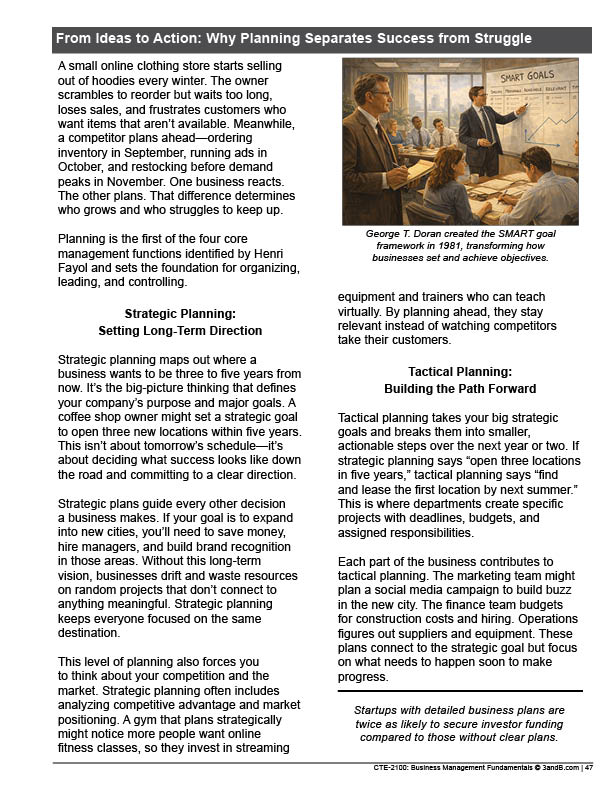
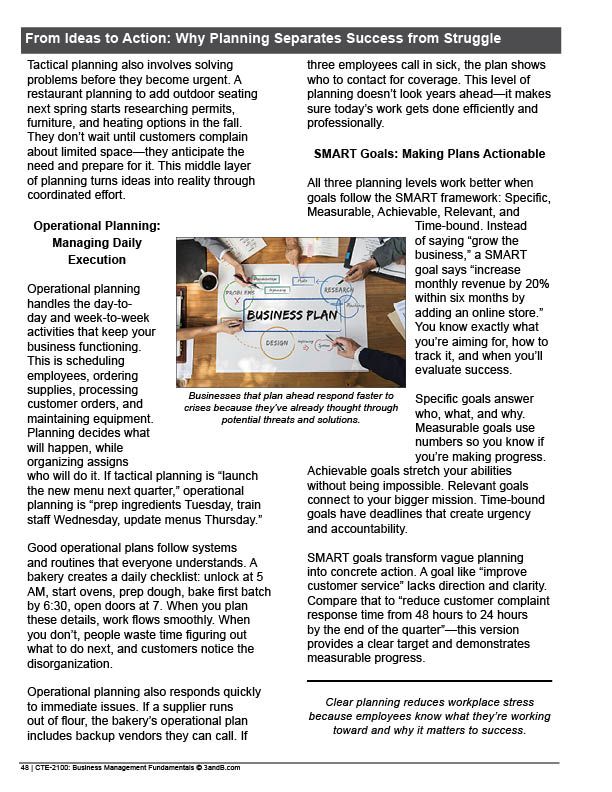
14 pages photographed from the book — open any one full size.
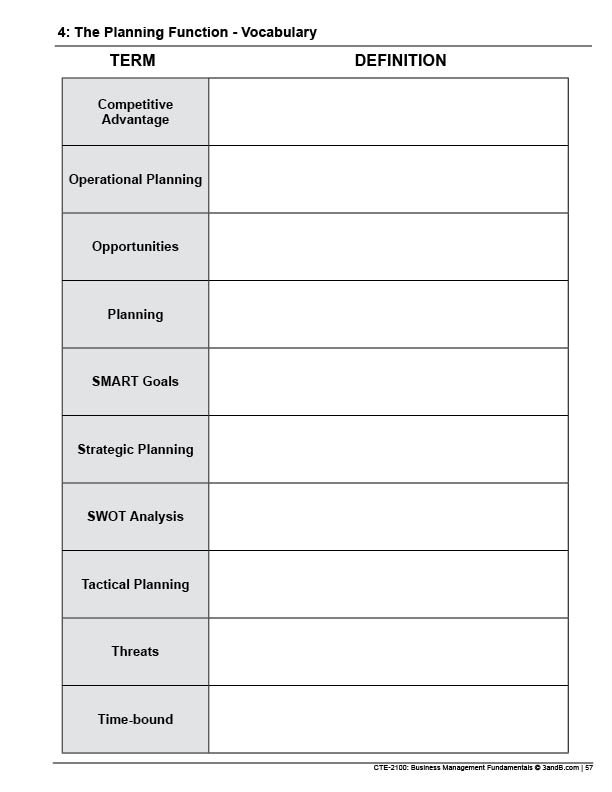
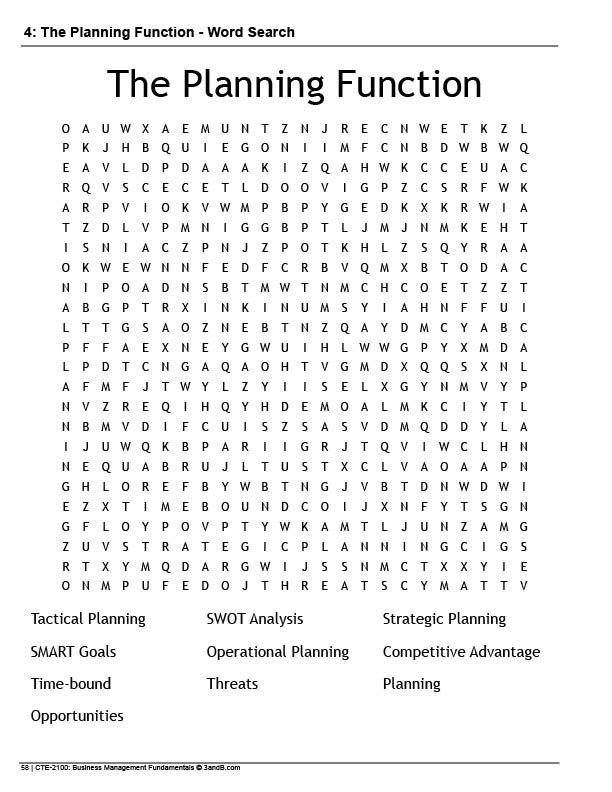
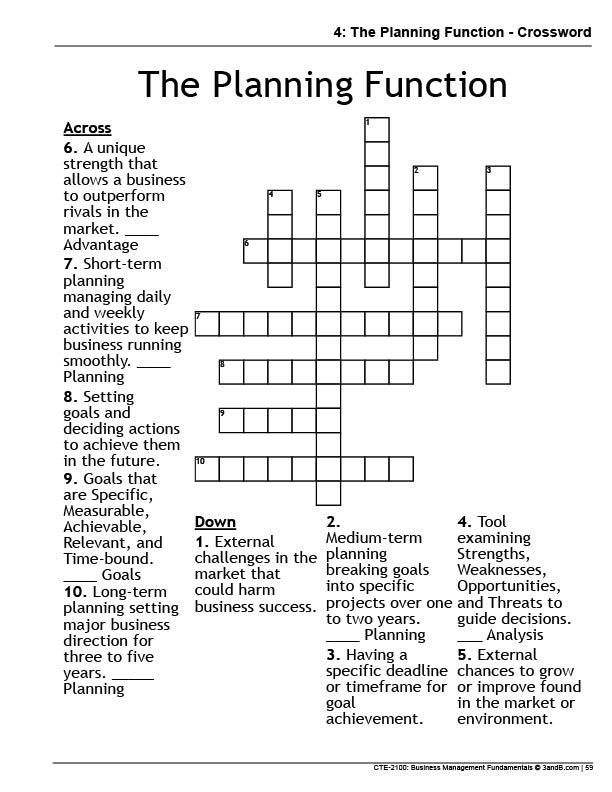
Questions teachers ask
What topics do the 21 lessons cover?
The lessons cover management principles, leadership, strategic planning, organizational design, human resources, team management, operations, quality, financial management, ethics, and professional development. They also address communication, decision-making, supply chains, conflict management, and management careers.
What will students be able to do?
Students analyze situations, apply management concepts, solve problems, and make informed business decisions. Scenarios, data analysis activities, case studies, reflection questions, and personal action plans provide real-world application.
Can this curriculum be used for less than a full course?
Yes. The structured lessons work for full courses, individual units, or supplemental instruction. The curriculum can support high school CTE courses, introductory classes, and career readiness or workforce development programs.
Does the workbook include answer keys?
Yes. Full answer keys are included with the curriculum. This page also provides an answer key for the preview chapter.
What free materials can I preview on this page?
Free materials include the student workbook, a chapter preview, and the answer key for that chapter. These materials show the workbook content and lesson structure.
Ready for your classroom
CTE-2100: Business Management Fundamentals · 427 pages · High School
More like this
Other 3andB workbooks in Career Readiness.
 Best seller
CTE-2100: Soft Skills – HS
A Career Readiness workbook that helps students build soft skills.
View →
Best seller
CTE-2100: Soft Skills – HS
A Career Readiness workbook that helps students build soft skills.
View →
 New
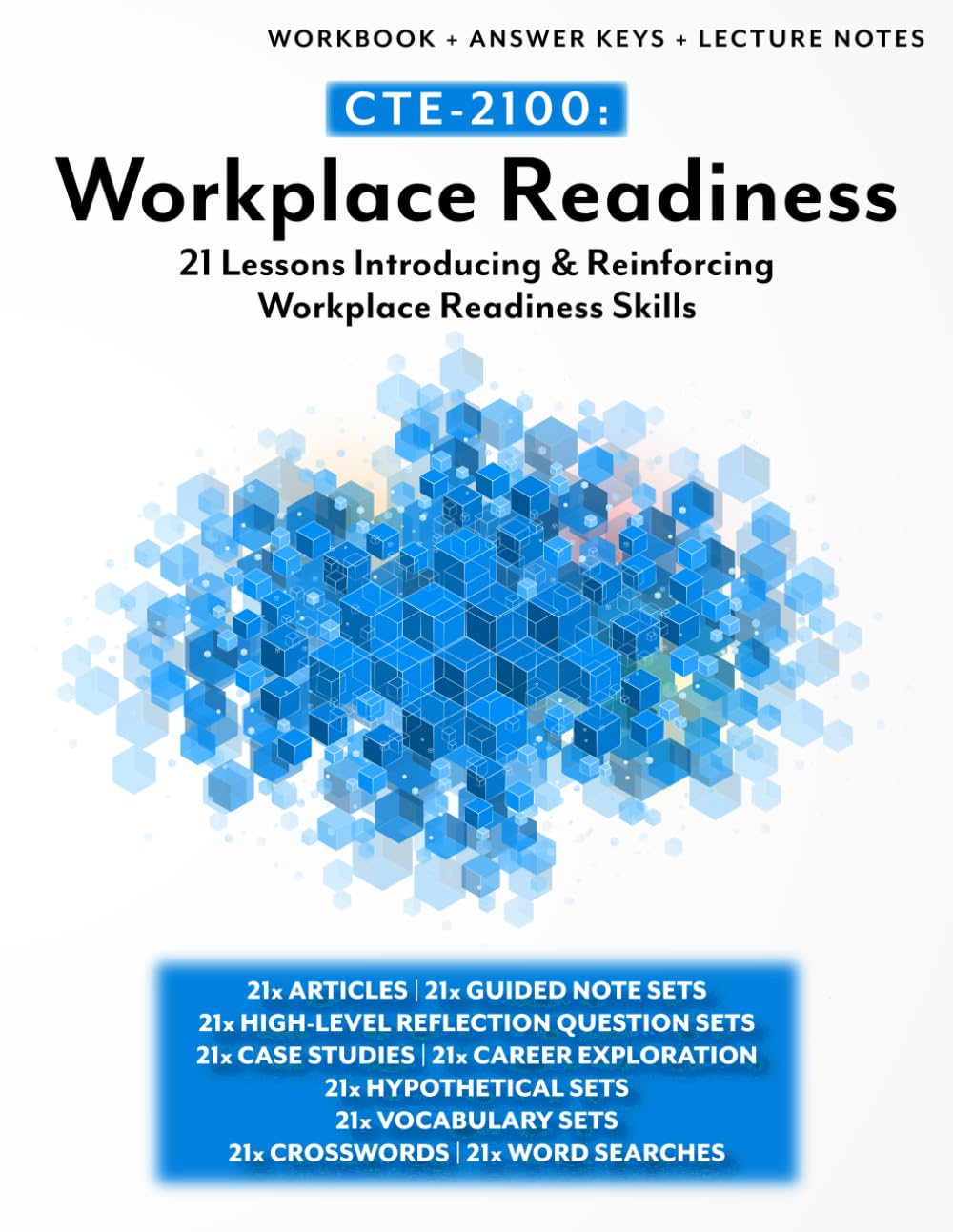
CTE-2100: Workplace Readiness – HS
A full-year curriculum for building real-world workplace and career-readiness skills.
View →
New
CTE-2100: Workplace Readiness – HS
A full-year curriculum for building real-world workplace and career-readiness skills.
View →
 Best seller
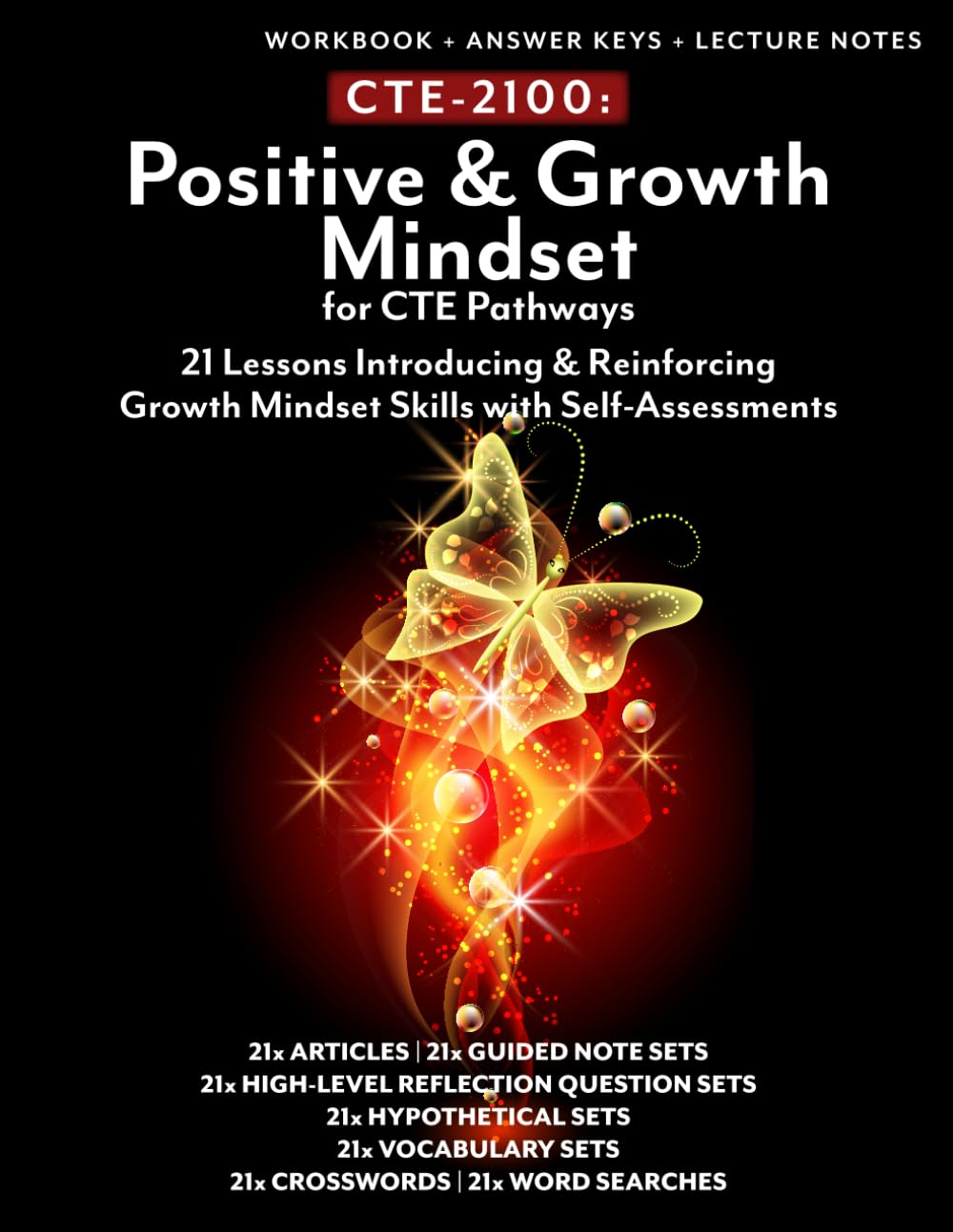
CTE-2100: Positive & Growth Mindset for CTE Pathways – HS with Self-Assessments
A Career Readiness workbook that builds understanding of growth and fixed mindset.
View →
Best seller
CTE-2100: Positive & Growth Mindset for CTE Pathways – HS with Self-Assessments
A Career Readiness workbook that builds understanding of growth and fixed mindset.
View →
 New
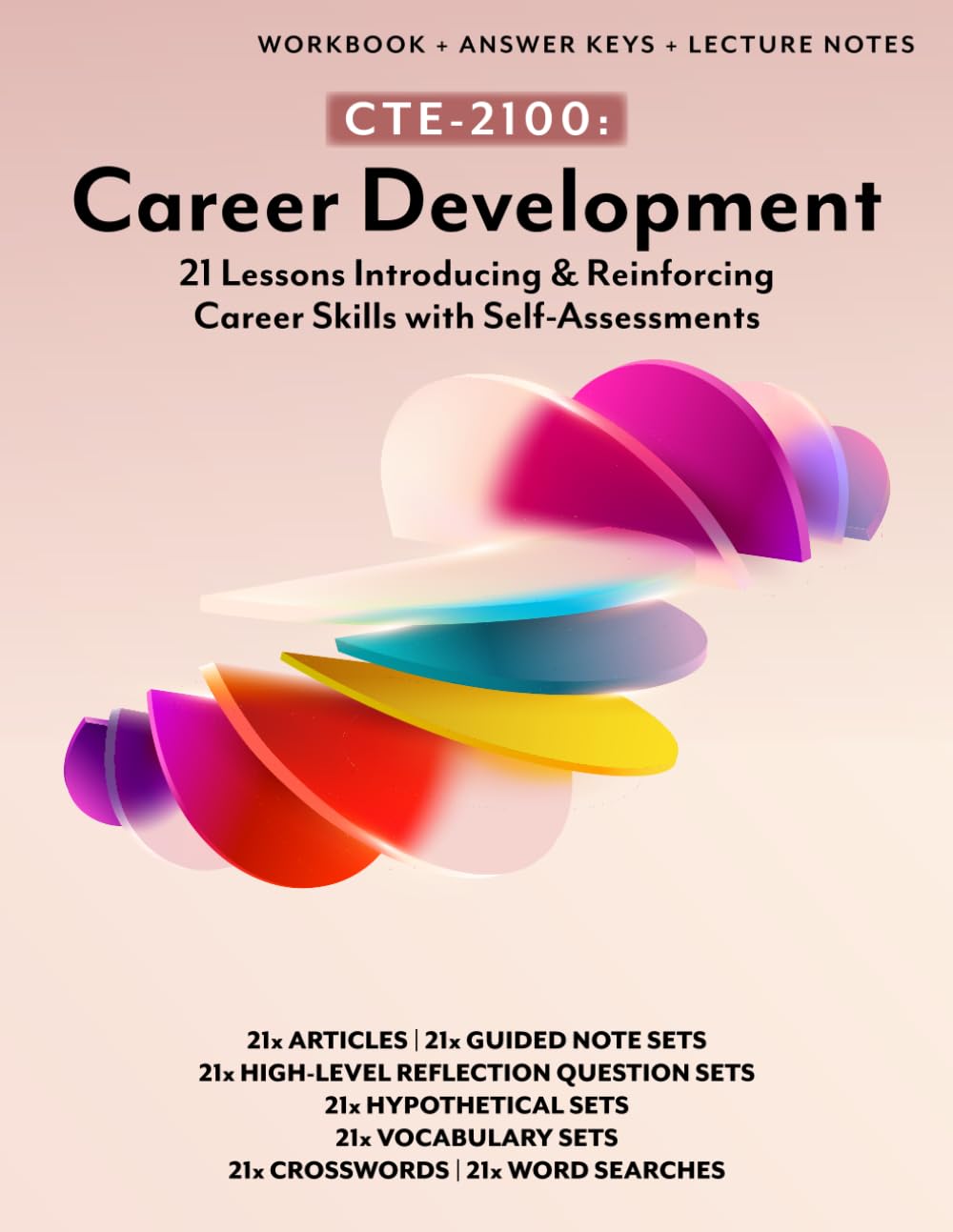
CTE-2100: Career Development – HS - with Self-Assessments
A career readiness workbook that helps students understand their career personality.
View →
New
CTE-2100: Career Development – HS - with Self-Assessments
A career readiness workbook that helps students understand their career personality.
View →