
Supreme Court Leaves Mail Voting Rules in Place for Midterms
Election officials say the ruling avoids a last-minute scramble, while the administration says it will keep pursuing voting investigations.
Print it — all four files
The student packet has no answers in it. The teacher copy is the same pages plus a note on each question and the answer keys. Both languages carry the same story, the same picture and the same vocabulary.
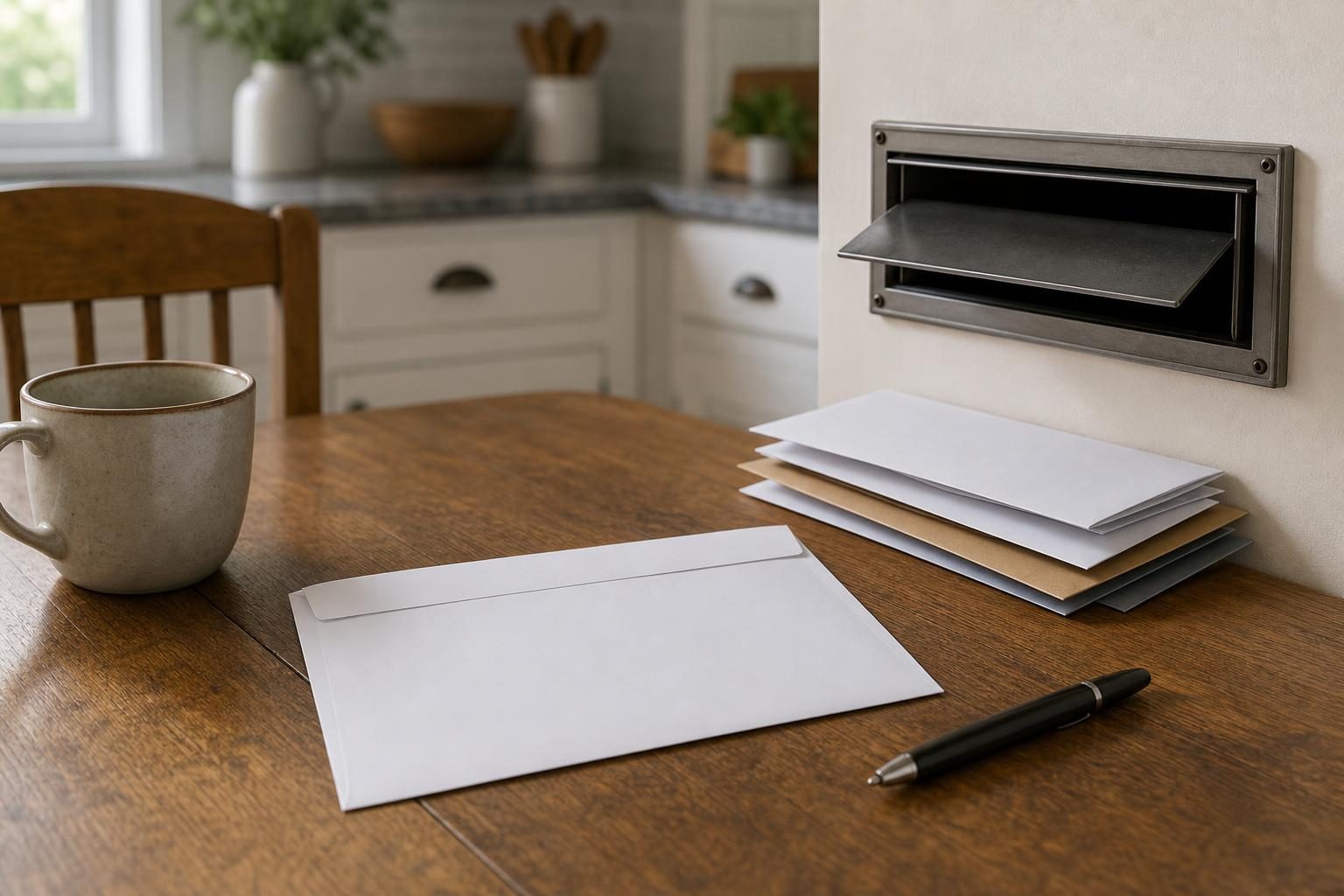
The Supreme Court blocked the Trump administration from adding new federal restrictions on mail ballots just weeks before the November midterm elections, leaving existing state rules in place for now. According to reporting by PBS NewsHour, the Court’s brief unsigned order allowed a lower court ruling to stand, meaning the U.S. Postal Service cannot require specialized ballot envelopes or collect voter information described in the interview as sensitive.
The timing is the heart of the story. Some voters have already received mail ballots, and Election Day is seven weeks away. Election officials are not just debating an abstract policy; they are trying to run an election while the legal ground shifts under them. Tammy Patrick, chief executive officer of programs at the National Association of Election Administrators and a former Arizona election official, told PBS there was “a collective sigh of relief.” Her point was not that election rules should never change. It was that changing ballot-envelope requirements and data-collection rules this late would have been extremely difficult for the people who print ballots, train workers, answer voter questions and process mail.
The trade-off is familiar but real: How should a democracy balance election security with voter access and administrative practicality? The administration has argued that additional scrutiny is needed to protect “integrity,” meaning public confidence that only eligible people vote and that each person votes only once. Attorney General Todd Blanche said ongoing investigations into illegal voting would continue, and he framed the administration’s effort as a way to ensure safe, free and fair elections.
Election officials do not reject the goal of secure elections. Patrick said officials are already bound by state law to make sure only eligible voters cast ballots, while also making sure eligible voters can participate without unnecessary barriers. In other words, the disagreement is not over whether elections should be secure. It is over whether these particular federal changes, imposed this close to Election Day, would improve security enough to justify the disruption and possible confusion.
Mail voting depends on many moving parts. A voter has to request or receive a ballot under state rules, fill it out correctly, sign it consistently, and return it by the allowed method and deadline. Local officials then verify and count those ballots according to state procedures. A rule requiring new envelopes or new information can sound simple from far away, but it can require new printing, new instructions, new training and new public communication. If some ballots have already been mailed, officials must decide whether those ballots remain valid, whether voters need replacements, and how to explain the answer clearly.
That is why late changes can affect access even when they do not directly ban anyone from voting. Confusion can change behavior. A voter who hears conflicting claims about mail ballots may delay, make a mistake, or decide not to use the option at all. Patrick said voters should know that whatever rules were in place in their states before the ruling remain in place now. She also warned about a practical issue separate from the court fight: some Postal Service transportation routes have changed, and some mail may take longer. Her advice was to request and return mail ballots early and to use whatever return options are available in each state.
The case also shows how election administration is both national and local. National leaders and federal courts can shape the rules. But elections are carried out by state and local offices, often under state-specific laws. That makes uniform national action appealing to people who want consistent safeguards, but complicated for officials who must fit any change into systems already built and running. The same rule can land differently in different states depending on their deadlines, ballot designs, technology and staffing.
The Supreme Court order did not end the broader dispute. PBS reported that the Department of Justice had sent letters to dozens of states seeking voter data, and Blanche said investigations would continue. That means voters and officials may still face political and legal arguments about how voting should be monitored. The ruling did, however, answer one immediate question: for the upcoming November election, the mail-ballot rules voters and officials already planned around remain the rules.
A strong democracy needs both trust and participation. Security rules can build trust if they are clear, lawful and workable. But if rules arrive too late or are explained poorly, they can damage trust by making voters wonder whether the process is stable. This case asks a difficult question without an easy answer: when an election is already underway, should officials prioritize adding safeguards that some leaders say are necessary, or preserving a predictable process that millions of voters and thousands of local workers are already using?
Written from reporting by PBS NewsHour, “Election officials get mail-in voting clarity after Supreme Court decision”.
Discussion questions
- When an election is already underway, how high should the bar be for changing voting rules, even if officials say the changes would improve security?
- Who should have the most authority over mail voting procedures: federal officials, state governments, courts, or local election administrators?
- Does public confidence in elections depend more on adding safeguards or on keeping rules stable and easy to understand?