
Wildlife’s big number comes with a big data problem
A major index says monitored wildlife populations are down sharply, but scientists warn that what we count shapes what we think we know.
Print it — all four files
The student packet has no answers in it. The teacher copy is the same pages plus a note on each question and the answer keys. Both languages carry the same story, the same picture and the same vocabulary.
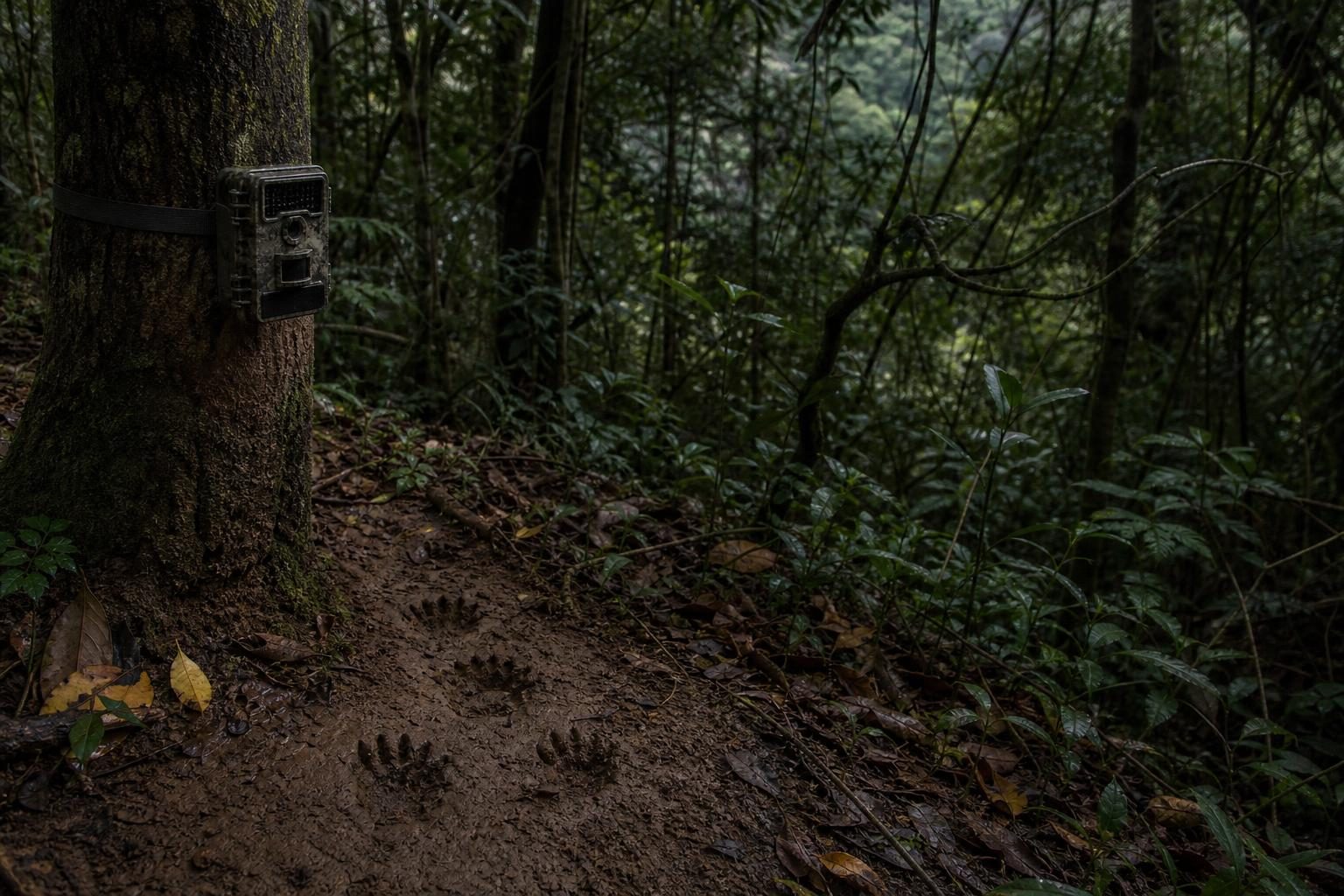
A major global wildlife report says monitored animal populations have declined by an average of 73% since 1970, but scientists who work with biodiversity data say the number comes with an important warning: many of the world’s animals are not being counted at all.
According to an article published by Phys.org and republished from The Conversation, the figure comes from the WWF’s 2026 Living Planet Index, an estimate updated every two years that tracks changes in wildlife populations. The index is used to help measure progress toward United Nations biodiversity goals, which are international targets for protecting living species and ecosystems.
The first thing to understand is what the 73% figure does and does not mean. It does not mean that 73% of all wild animals on Earth have disappeared. It means that, among the wildlife populations included in the index, the average population size has fallen by that amount since 1970. A population is a group of the same species living in a particular place, such as fish in one river or birds in one forest.
That distinction matters because the number is powerful. A simple statistic can travel quickly through news stories, speeches and policy debates. It can make an abstract problem feel concrete. But a simple statistic can also flatten a complicated reality. Some animal populations are shrinking, some are growing, and many have not been measured well enough for anyone to say with confidence what is happening to them.
The article’s authors argue that biodiversity is much harder to measure than climate change. Climate scientists can use thousands of weather stations and measurements of carbon dioxide in the atmosphere. Wildlife data are different. Counting animals often requires people on the ground, sometimes in remote places, repeating surveys over time. Satellites can show where forests are being cut down, but they usually cannot count the frogs, insects, fish, birds or mammals living there.
That creates the main tension in the story. The world needs clear information about whether wildlife is in trouble, but the available information is patchy. If scientists wait for perfect data, governments and communities may delay action while habitats continue to change. If scientists rely too heavily on incomplete data, they may give the public and policymakers a picture that is too simple or partly distorted.
The Living Planet Index is built from available wildlife counts. Those counts may come from academic studies, monitoring programs or management records for species harvested by humans, such as fish. But available does not mean evenly distributed. The article notes that many counts come from protected areas or mostly undisturbed habitats, such as national parks, remote wilderness or places where researchers already expect nature to be doing relatively well.
If that is true, the index might actually underestimate the scale of biodiversity decline. Places that have been heavily altered by farming, cities, roads or plantations may have fewer long-term wildlife records. If those places are missing from the data, the global picture could look better than the reality.
But the bias could also run the other way. Scientists may have more data for threatened species because people are worried about them, or for species that humans harvest because governments and industries track them. Those are exactly the kinds of species that might be more likely to be declining. If they are overrepresented, the index could make the overall situation look worse than it would if all wildlife populations were counted equally.
This does not mean the index is useless. It means the index is trying to answer an enormous question with uneven evidence. The article says the Living Planet Index attempts to address some bias by giving more weight to counts from undersampled regions such as Africa and South America. These regions have many species and have experienced major habitat loss, so including them properly is important. Still, this is a rough correction, not a magic fix.
Another hard choice involves short records. Some population counts in the index cover only brief periods, sometimes just two points in time. That makes trends less certain. A population could look like it is falling between two counts because of a temporary event, or rising because the first count happened during a bad year. But excluding short records would leave even less data and could make the remaining data more biased.
The disagreement here is not simply between people who care about wildlife and people who do not. It is also a disagreement over how to communicate uncertainty without weakening the message. Conservation groups may want a clear headline that pushes leaders to act. Data scientists may worry that a single global number hides too much variation and too many gaps. Both concerns are reasonable.
For a reader, the useful question is not whether the 73% number is true or false in a simple way. The better question is what kind of truth it represents. It is a serious warning based on one of the most comprehensive wildlife data sets available. It is also a measurement shaped by where humans have looked, what they have counted and what records survived.
That makes the story bigger than wildlife. Modern society often depends on large indicators: inflation rates, graduation rates, test scores, unemployment rates, climate averages. Each one can reveal something real while also leaving important details out. The challenge is to use numbers without pretending they are the whole story.
Written from reporting by Phys.org, “Wildlife populations have declined 73% since 1970—but many of the world's animals still aren't being counted”.
Discussion questions
- When a problem is urgent but the data are incomplete, should public reports emphasize a clear headline number or lead with uncertainty? Defend your choice.
- If wildlife counts are biased toward places that are easier or more likely to be studied, who might benefit or lose from decisions based on those counts?
- Think of another area where society relies on a single statistic to summarize a complex reality. What can this wildlife story teach us about using that number responsibly?